Typical Truck Problems and When to Pursue Professional Repair Services
Truck owners frequently face multiple concerns that can affect both performance and safety. Engine issues, braking system issues, and transmission troubles are the most typical. Recognizing these concerns early is crucial. Strange sounds or dashboard alerts can indicate deeper concerns. Knowing when to pursue professional help can save time and money. But what symptoms should one be aware of, and how can regular maintenance play a role?
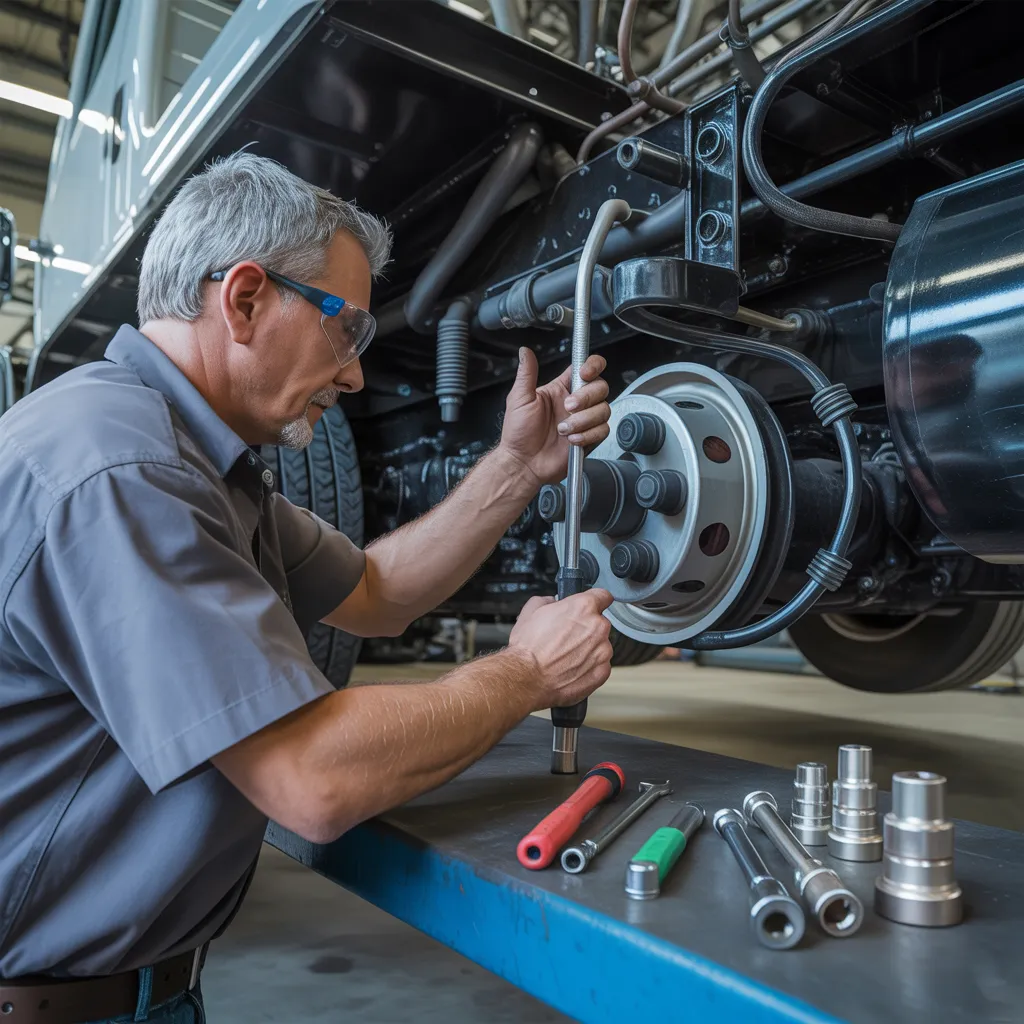
Spotting Engine Issues: Warning Signs You Must Get Help
Many truck owners may experience engine problems at some point, and spotting the warning signs early can stop costly repairs. Common indicators of engine trouble include strange noises, such as knocking or grinding sounds, which can indicate serious issues. Additionally, a sudden drop in power or acceleration, paired with poor fuel economy, often signals underlying problems.
An additional critical warning sign is the illumination of warning lights on the dashboard, particularly the check engine light, which shouldn't be disregarded. Unusual exhaust smoke, whether black, blue, or white, can also signal engine malfunctions demanding immediate attention.
In addition, constant overheating or seeping fluids beneath the vehicle can signal severe engine troubles. Routine maintenance and immediate attention to these symptoms can help truck owners mitigate hazards, extend engine life, and avoid major repair costs. Tackling these symptoms early ensures a more efficient and more reliable driving experience.
Brake Problems: Recognition and Solution Methods
Brake problems represent a frequent issue among truck owners, commonly showing up in various manners that compromise safe operation. Frequent symptoms encompass squeaking or grinding noises, lowered brake sensitivity, and pulsations during brake application. These indicators might point to deteriorated brake pads, damaged rotors, or reduced brake fluid quantities.
To tackle these concerns, truck owners should start by inspect the brake system for obvious wear and leaks. Inspecting the brake fluid reservoir and refilling it if necessary is also vital. If noises don't stop or performance does not improve, a professional inspection is highly recommended.
Standard maintenance procedures, including brake pad changes and rotor resurfacing, can stop more critical problems from developing. Moreover, carrying out scheduled examinations of the whole brake system helps ensure consistent performance. Finally, focusing on brake condition is vital for driving safety and can help truck owners avoid significant repair costs down the road.
Transmission Issues: Identifying and Resolving Them
Transmission issues can manifest in numerous ways, often showing specific signs that truck owners should be aware of. Typical causes of these troubles range from fluid leaks to worn components, making it vital to understand the underlying problems. Knowing when to seek professional assistance can stop further damage and guarantee the truck remains reliable on the road.
Warning Signs Regarding Transmission Issues
Identifying warning signs of transmission problems early can save truck owners considerable time and money in repairs. Common indicators include unusual noises, such as grinding or whining sounds, which may signal internal problems. Furthermore, delayed or rough shifting between gears can reveal transmission trouble. Truck owners should also look out for fluid leaks, particularly reddish or brownish fluid underneath the vehicle, as this can signal a serious leak. Warning lights on the dashboard, especially the check engine or transmission light, should never be disregarded. Lastly, a burning smell, often linked to overheating, is a serious concern that demands immediate attention. Detecting these symptoms early can help avoid more significant damage and costly repairs down the line.
Standard Origins Of Troubles
Although multiple aspects can result in transmission problems, multiple usual culprits regularly surface in truck maintenance. One primary concern relates to fluid leaks, which can result from worn seals or damaged components, causing insufficient lubrication. High temperatures constitute another typical cause, often due to towing heavy loads or a malfunctioning cooling system, which can harm internal components. Additionally, overlooking routine service, such as fluid changes and filter replacements, can cause sludge buildup and lowered effectiveness. Operator practices, including swift acceleration and hard braking, can also stress the transmission, resulting in premature wear. Lastly, using unsuitable transmission fluid can hinder performance and result in severe damage, underscoring the importance of using manufacturer-recommended fluids for peak function.
When You Should Seek Help
Detecting the signs of transmission problems is essential for avoiding further damage and guaranteeing the longevity of a truck. Drivers should be watchful for indicators such as slipping gears, unusual noises, or delayed shifting. Fluid leaks underneath the vehicle can indicate a serious problem, demanding immediate attention. Additionally, if the check engine light turns on, it is vital to consult a professional. Ignoring these warning indicators can result in costly repairs or complete transmission failure. Getting help quickly can save time and money, enabling a proper diagnosis and solution. Regular maintenance and inspections can also help detect potential concerns early, ensuring the truck remains reliable and safe for operation. Dealing with transmission issues quickly is key to maintaining overall vehicle performance.
Typical Electrical Problems: Detection and Fixes
Electrical issues in trucks can cause significant performance issues if not addressed promptly. Common symptoms include flashing lights, difficulty starting, and malfunctioning accessories. These issues often arise from a weak battery, faulty alternator, or corroded wiring connections. A weak battery can produce insufficient power to start the engine, while a failing alternator may not properly recharge the battery, causing further electrical failures.
Recognizing these issues starts with visual inspections. Drivers should inspect for deteriorated wires, loose connections, and evidence of corrosion around battery terminals. Furthermore, diagnostic tools can help pinpoint electrical faults. If these problems endure, seeking professional repair is critical. Technicians can conduct thorough examinations and provide solutions, such as replacing batteries or repairing faulty circuits. Prompt intervention can prevent more substantial damage and assure the truck operates effectively, safeguarding both performance and safety on the road.
Typical Truck Suspension Troubles: How to Recognize Them
Suspension problems in trucks can manifest in various apparent ways, affecting both operation and safety. Standard signs include inconsistent tire wear, excessive bobbing or rocking during operation, and rattling suspension components. Recognizing these problems early can aid in minimize further damage and ensure a more stable ride.
Unequal Tire Wear
Irregular tire wear acts as a critical indicator of underlying suspension concerns in vehicles. When a truck's suspension system is not operating as it should, it can cause varying degrees of pressure on different tires, producing uneven tread wear patterns. Frequent symptoms include excessive wear on the inner or outer edges of tires, which may indicate misalignment or worn components. Drivers should examine their tires frequently and note any unusual wear patterns. Furthermore, vibrations or pulling to one side while driving can additionally signal potential suspension concerns. Handling these issues promptly not only enhances vehicle safety but also lengthens tire life and elevates overall performance. Professional examination and repair services are encouraged when uneven tire wear is detected.
Excessive Bouncing Motion And Swaying Motion
Suspension problems may appear in multiple ways, with considerable bouncing or swaying being especially noticeable when driving. When a truck's suspension system becomes damaged, it can struggle to absorb shocks from the road, creating an uncomfortable and unstable ride. This can happen due to worn-out shock absorbers, defective springs, or misaligned components. Drivers may experience the truck swaying dramatically around curves or bouncing uncontrollably over bumps, indicating that the suspension no longer is effectively handling weight distribution and road impact. Disregarding these symptoms can result in further damage to the vehicle and significant safety hazards. Therefore, it is critical for truck owners dealing with excessive bouncing or swaying to seek professional repair services to resolve the underlying issues quickly.
Noisy Suspension Systems
When suspension components in a truck start making noise, it often signals underlying issues that demand attention. Common sounds include rattles, clunks, and squeaks, which can indicate bushing wear, defective shock absorbers, or failing control arms. These noises commonly appear during turning or traveling over bumps, suggesting that the suspension system is not working effectively. Drivers should also be conscious of any changes in handling, as noise can accompany a loss of comfort or control. Ignoring these signs may lead to more significant problems, including diminished safety and increased repair costs. It is wise to contact a professional mechanic if uncommon sounds persist, ensuring that any necessary repairs are handled quickly to maintain the truck's reliability and service life.
Why Regular Maintenance Matters for Your Truck
While many truck owners may overlook the significance of regular maintenance, disregarding this critical aspect can cause significant issues down the road. Regular maintenance plays a crucial role in ensuring that a truck runs efficiently and safely. Routine checks, including oil changes, tire rotations, and brake inspections, help to identify potential problems before they turn into costly repairs. Moreover, proper maintenance can increase fuel efficiency, reducing overall operating costs.
Overlooking maintenance can result in mechanical failures, decreased performance, and excessive wear and tear on components. Routine servicing not only extends the lifespan of the truck but also contributes to better resale value. Moreover, a carefully maintained truck is more reliable, decreasing the risk of breakdowns during critical times. Finally, prioritizing regular maintenance enables truck owners to experience peace of mind, knowing their vehicle is in prime condition for both work and safety on the road.
When to Contact a Mechanic for Truck Repairs?
Identifying the signs that it's time to contact a mechanic can avoid minor issues from turning into major repairs, especially after caring for a truck diligently. Typical indicators include unusual noises, such as grinding or squealing, which may indicate problems with the brakes or engine components. Additionally, any warning lights on the dashboard should prompt immediate attention, as they can reveal critical issues demanding professional evaluation.
Further, if the truck experiences frequent stalling, difficulty starting, or a decrease in fuel efficiency, these issues may point to underlying mechanical problems. Unknown fluid leaks beneath the vehicle also necessitate a mechanic's inspection, as they could indicate leaks in the transmission, coolant, or oil systems. Additionally, any unusual vibrations during operation may indicate tire or suspension concerns. Prompt intervention by a mechanic can help ensure vehicle safety and longevity, ultimately saving money in the long run.
Common Inquiries
How Can I Prevent Common Truck Issues From Occurring?
Routine maintenance, such as oil changes, tire rotations, and brake inspections, significantly reduces the risk of issues. Furthermore, keeping an eye on fluid levels and resolving minor problems quickly can avert more severe complications down the line.
What Are the Characteristics of a Quality Mechanic for Truck Repairs?
An excellent mechanic displays expertise through industry certifications, exceptional communication, and upfront pricing. They place importance on customer satisfaction, conduct detailed inspections, and exhibit strong problem-solving skills, delivering reliable truck repairs and fostering trust with their clients.
How Frequently Does My Truck Require Maintenance?
Standard maintenance should be carried out every 3,000-7,500 miles, contingent upon the truck's make and model. This maintenance schedule guarantees maximum performance, safety, and longevity, helping to prevent more significant issues down the line.
Is It Possible to Troubleshoot Truck Problems Without Professional Assistance?
Individuals can indeed troubleshoot truck problems on their own by investigating symptoms, inspecting fundamental parts, and utilizing diagnostic equipment. However, for complex problems refer now or persistent issues, seeking professional help is advisable to guarantee safety and proper resolution.
What Tools Are Necessary for Basic Truck Repairs?
For basic truck repairs, essential tools include a socket set, wrenches, pliers, screwdrivers, a jack, jack stands, and an oil filter wrench. These tools enable effective handling of minor maintenance and repair tasks.